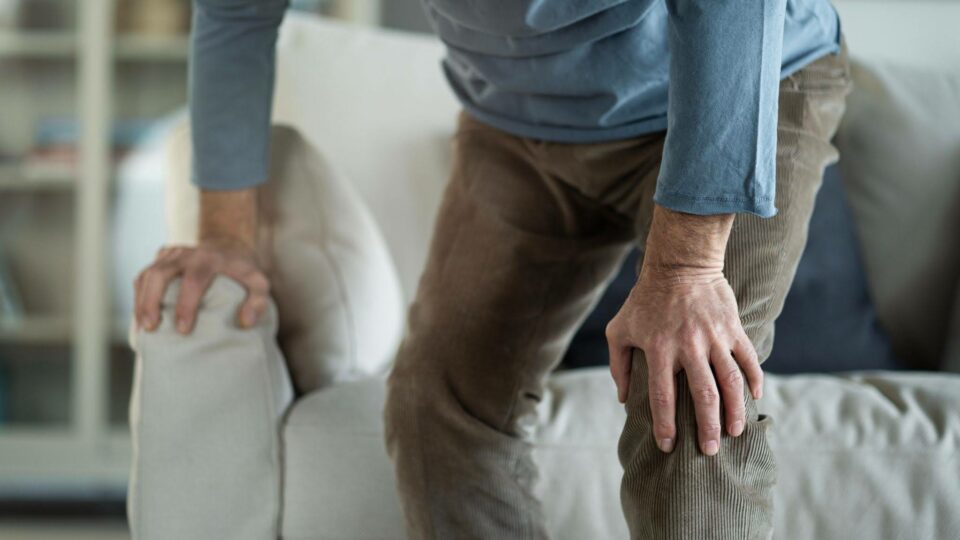
Knee pain is one of the most common reasons people seek physiotherapy treatment. It can affect walking, exercise, work, and even simple daily activities such as climbing stairs or getting up from a chair.
For some people, knee pain develops suddenly after an injury during sport or exercise. Others notice discomfort gradually building over time due to overuse, weakness, or changes within the joint itself. Because the knee is involved in almost every lower body movement, even mild pain can quickly begin to affect confidence and mobility.
Many people looking for Knee Pain Treatment are unsure what is actually causing their symptoms. Conditions such as ligament injuries, meniscus tears, and tendon irritation can produce similar symptoms, which is why proper assessment is important.
Physiotherapy is commonly recommended as an effective treatment option because it focuses on reducing pain, restoring movement, and improving strength around the knee joint. Early treatment can also help prevent symptoms from becoming more persistent.
Common Causes of Knee Pain
Knee pain can develop from several different structures within or around the joint. In some cases the problem is linked to a sudden injury, while in others it develops gradually over time.
One common cause is ligament injury. Ligaments help stabilise the knee joint and can become overstretched or torn during twisting movements, sudden changes in direction, or sporting impacts. Injuries such as ACL or MCL strains may cause pain, swelling, and a feeling of instability when walking or turning.
Another frequent issue is a meniscus tear. The meniscus is a piece of cartilage that helps cushion the knee joint. Meniscus injuries often occur during twisting movements or squatting and may cause pain, clicking, locking, or difficulty fully bending the knee.
Meniscus tear treatment often focuses on reducing pain, improving movement, and helping patients return to normal activity without surgery where possible.
Some people experience pain due to tendon irritation around the knee. Tendons connect muscles to bone and can become overloaded through repetitive movement, running, jumping, or increased activity levels. This is often referred to as tendonitis. Appropriate tendonitis knee treatment may help reduce irritation and improve strength within the surrounding muscles.
Knee pain may also develop due to weakness, reduced mobility, or poor movement patterns around the hips and lower body. Because several factors can contribute to symptoms, professional assessment is usually the best way to identify the underlying cause.
Common Symptoms of Knee Injuries
Symptoms can vary depending on the type of knee injury and how severe it is.
Pain is usually the most noticeable symptom. Some people experience sharp pain during movement, while others notice a dull ache that gradually worsens with activity.
Swelling is also common, particularly after ligament injuries or irritation within the joint. The knee may feel stiff or tight, making it more difficult to fully bend or straighten the leg.
Some injuries may affect stability. For example, ligament damage can sometimes create a sensation that the knee may “give way” during walking or turning movements.
People with meniscus injuries occasionally experience clicking, locking, or catching sensations inside the knee joint. Tendon-related pain is often worse during activities such as running, squatting, jumping, or climbing stairs.
If symptoms continue or begin affecting normal activity levels, seeking professional advice can help prevent the problem from becoming more persistent.
How Physiotherapy Helps Knee Pain
Physiotherapy plays an important role in the treatment and rehabilitation of many knee injuries. Rather than simply focusing on pain relief, physiotherapy aims to improve how the knee moves and functions.
During an assessment, a physiotherapist will look at knee movement, strength, flexibility, balance, and walking patterns. This helps identify the structures involved and determine which factors may be contributing to the pain.
Treatment often includes targeted rehabilitation exercises designed to strengthen the muscles that support the knee joint. Improving strength around the quadriceps, hamstrings, glutes, and calves can help reduce pressure on the knee and improve stability during movement.
Mobility exercises may also be used to reduce stiffness and improve range of motion within the joint. This is particularly important following ligament injuries or periods of reduced activity.
In some cases, hands-on physiotherapy techniques may help improve joint movement and reduce muscle tension around the knee. Advice on activity levels, exercise progression, and recovery is also an important part of treatment.
For people recovering from sport-related injuries, structured rehabilitation can help support a safe return to exercise and reduce the risk of re-injury.
If you are experiencing ongoing symptoms, exploring available Physiotherapy Treatments can help you better understand the options available.
Meniscus Tears, Ligament Injuries & Tendonitis: Why Diagnosis Matters
Different knee injuries often require different treatment approaches. Although symptoms may appear similar at first, identifying the source of the pain helps guide the most appropriate rehabilitation plan.
For example, treatment for a ligament injury may focus heavily on improving stability and strength around the knee joint. In contrast, treatment for knee pain caused by tendon irritation may involve carefully progressing loading exercises to help the tendon recover gradually.
Similarly, some people with pain in the knee joint may actually be experiencing symptoms linked to cartilage irritation, overload, or reduced mobility rather than a more serious structural injury.
This is why accurate assessment matters. Understanding what is contributing to the pain can help avoid unnecessary rest, ineffective exercises, or returning to activity too quickly.
When Should You See a Physiotherapist?
You may benefit from physiotherapy if:
• Knee pain has lasted more than a couple of weeks
• Swelling or stiffness is affecting movement
• The knee feels unstable or weak
• Pain is affecting walking, sport, or exercise
• Symptoms continue returning during activity
• You are unsure what has caused the pain
Early treatment can often improve recovery time and help prevent ongoing knee problems.
Book a Physiotherapy Assessment
If knee pain is affecting your movement, exercise, or daily activities, professional assessment can help identify the cause of the problem and guide the right treatment approach.
At The Physiotherapy Doc, experienced physiotherapists provide personalised treatment plans designed to reduce pain, improve strength, and support long-term recovery. Treatment may include rehabilitation exercises, hands-on physiotherapy techniques, and practical advice tailored to your symptoms and activity levels.
If you would like support with knee pain, you can Book An Appointment with one of our experienced physiotherapists. Early treatment can help improve movement, reduce discomfort, and support a safe return to normal activities.