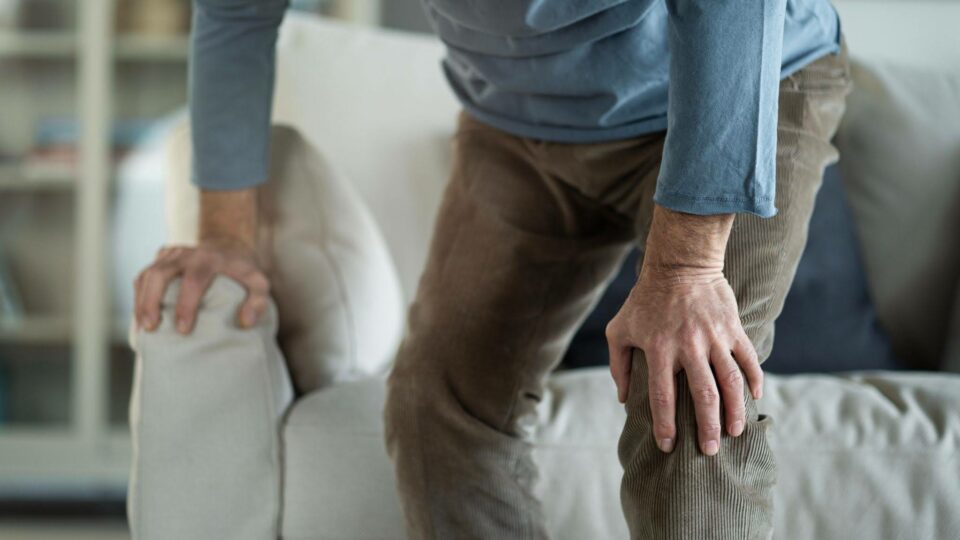
Lower back pain is one of the most common musculoskeletal problems, affecting people of all ages and lifestyles. It can appear suddenly after lifting something heavy, during exercise, or develop gradually over time due to posture, repetitive strain, or everyday activities.
For some people, back pain settles within a few days. For others, it can become a persistent issue that affects work, sleep, exercise, and day-to-day movement.
Understanding the causes of lower back pain is an important first step in finding the right treatment. While mild symptoms may improve with rest and gentle movement, ongoing or worsening pain may benefit from a professional assessment.
At The Physiotherapy DOC in Billingham, we specialise in diagnosing and treating back pain, helping you move more comfortably and return to the activities you enjoy.
Common Causes of Lower Back Pain
Lower back pain can occur when the muscles, joints, discs, or ligaments in the spine become irritated or injured. In many cases, pain develops due to a combination of factors rather than a single clear cause.
One of the most frequent causes is muscle or ligament strain. This can occur after lifting heavy objects, sudden twisting movements, or overexertion during physical activity. When the muscles supporting the spine are overstretched or strained, they may become painful and stiff, making movement uncomfortable.
Another major contributor is poor posture, particularly for people who spend long periods sitting at a desk or using computers. Sitting with inadequate back support or slouching forward can place continuous stress on the lower spine. Over time, this pressure may lead to muscle fatigue, tightness, and discomfort in the lower back.
In some cases, lower back pain may be related to disc problems within the spine. The discs between each vertebra act as cushions that absorb shock and allow the spine to move freely. If a disc bulges or herniates, it can place pressure on nearby nerves and cause pain in the lower back or even radiating symptoms into the legs.
Age-related changes can also play a role. As people get older, the structures within the spine gradually experience wear and tear. These changes can affect the discs and joints in the spine and sometimes lead to ongoing stiffness or discomfort.
Because several structures in the back can contribute to pain, identifying the underlying cause often requires a professional assessment.
Symptoms of Lower Back Pain
Lower back pain can vary significantly from person to person. Some individuals experience a dull, persistent ache, while others feel sharp or sudden pain during movement.
The discomfort is typically located in the lower part of the spine, but it may also spread into the buttocks or upper legs. Many people notice that pain becomes worse after prolonged sitting, bending forward, or lifting objects. Stiffness is also common, particularly in the morning or after remaining in one position for a long time.
In some cases, the surrounding muscles may tighten in response to irritation in the spine. These muscle spasms can make it difficult to stand upright or move comfortably.
When symptoms persist for several weeks or begin interfering with normal activities, it is often beneficial to seek professional advice. Early treatment can help prevent the problem from becoming chronic.
Physiotherapy Treatment for Lower Back Pain
Physiotherapy is widely recognised as one of the most effective non-surgical treatments for lower back pain. Rather than simply masking symptoms, physiotherapy focuses on identifying the underlying causes of pain and addressing them through targeted treatment.
During an initial assessment, a physiotherapist will examine how your spine moves, assess muscle strength and flexibility, and discuss lifestyle factors that may be contributing to the problem. This information helps guide a personalised treatment plan designed to restore movement and reduce strain on the back.
Treatment often includes specific exercises aimed at strengthening the muscles that support the spine. Improving strength and stability in the core and lower back can help reduce pressure on spinal structures and lower the risk of future flare-ups.
Hands-on treatment techniques may also be used to improve joint mobility and reduce muscle tension. These techniques can help restore normal movement patterns and relieve stiffness.
Equally important is education about posture, movement, and activity levels. Small changes in daily habits, such as improving workstation ergonomics or learning safer lifting techniques, can significantly reduce the likelihood of recurring back pain. If you’d like to explore your options, you can learn more about back pain physiotherapy in Billingham.
When Should You See a Physiotherapist for Lower Back Pain?
While many cases of lower back pain improve with time, persistent or recurring symptoms can indicate that the underlying cause needs professional assessment. Ignoring ongoing discomfort may lead to reduced mobility, compensation in other parts of the body, or repeated flare-ups.
You may benefit from seeing a physiotherapist if:
• Your back pain has lasted longer than two weeks
• Pain is affecting work, sleep, or daily activities
• You experience repeated episodes of lower back pain
• Movement, bending, or lifting regularly triggers discomfort
• Pain spreads into the hips, buttocks, or legs
A physiotherapist can assess how your spine moves, identify contributing factors such as muscle weakness or joint stiffness, and design a treatment plan that targets the root cause rather than just the symptoms.
Specialist physiotherapy treatment can help improve strength, mobility, and movement patterns while reducing strain on the lower back. This approach not only helps relieve pain but also lowers the risk of the problem returning in the future.
If you’re experiencing ongoing symptoms, you can learn more about available treatment options for back pain physiotherapy in Billingham and how physiotherapy can help restore comfortable movement.
Book a Physiotherapy Assessment
If lower back pain is affecting your daily life, getting the right advice early can make a significant difference to recovery.
At The Physiotherapy DOC, experienced physiotherapists provide thorough assessments to identify the cause of your back pain and create a personalised treatment plan. Treatment may include targeted exercises, hands-on therapy, and practical advice to help you manage symptoms and prevent future flare-ups.
If lower back pain is affecting your daily life, getting the right advice early can make a real difference to your recovery, you can book an appointment or contact the clinic here to arrange a physiotherapy assessment.
Early treatment can help you return to normal activities more comfortably and reduce the likelihood of long-term back problems.